
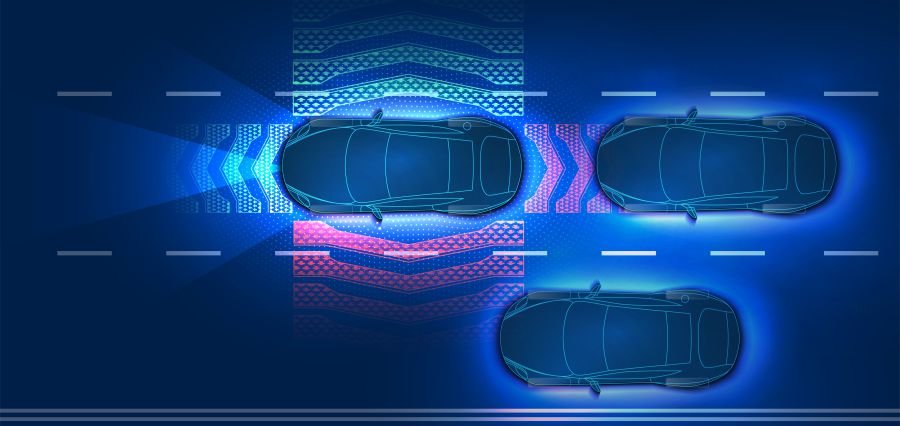
A car today isn’t simply metal, motor, and tires anymore. Instead, it thinks – reacting, warning, stepping in when things get risky. Buy or look up a recent model, then you’ve probably seen those letters: ADAS. What does that mean? It means Advanced Driver Assistance Systems – tech built right in, meant to keep control sharper, rides safer. These tools help drivers stay aware, avoid crashes, make decisions easier on busy roads.
Nowadays folks lean on ADAS features without always noticing – little things like avoiding fender benders or squeezing into cramped spots downtown. Instead of taking full charge, drivers let tech nudge them clear of trouble while weaving through busy streets. Because congestion grows and driving demands rise, having smart aids onboard feels less optional, more like steady hands during chaos. These tools slip into daily routines so smoothly, many forget they’re even active until something goes wrong – and then doesn’t.
What Is ADAS in Cars and Why Drivers Are Quietly Relying on It More Than Ever
Imagine your car has someone watching alongside you, eyes on the road, aware of nearby vehicles, even how you drive. Sensors tucked around the body feed data to smart programs always scanning for trouble ahead. Cameras catch lane markings others might miss. Radar tracks distance from objects without touching anything. When something risky shows up, warnings sound or brakes tap themselves. Help arrives before most realize there’s danger.
Imagine your car hits the brakes by itself to avoid a crash – that’s an ADAS function doing its job. A warning sound if you start leaving your lane? That too comes from ADAS tech. Spotting a hidden car beside you while changing lanes – yep, another feature built into the system. These tools now play a big role behind the wheel, stepping in where people might make mistakes. Since driver errors cause many crashes, such support matters more each year.
When traffic crawls through city streets, cruise control tweaks the pace on its own, easing tension mile after mile. Should the vehicle drift without warning, lane guidance nudges it straight again. Tight parking gaps become easier as automated aids guide movements inch by inch. With repeated use, confidence grows quietly. A sense of calm settles in, along with a steady feeling of being watched over while driving.
Most times you do not even notice it happening. Even if a person does not actively consider ADAS, small actions – like a seat vibrating near danger or lights adjusting at night – build trust slowly. Because of these quiet moments, more drivers everywhere now use such systems without hesitation.
What Are the Components of ADAS
Peeking under the hood of ADAS reveals a mix of parts working together without fuss. Built right into the setup are tools that sense surroundings and make quick decisions. Around the car, small eyes – cameras – snap constant pictures of everything nearby. From those images come awareness: where lanes bend, which sign shows up, who walks close, what cars move ahead.
Finding how far away things are, radar tools track both range and movement near cars. Even when it rains or fogs up, they still work well. Shining quick beams of light, some upgraded setups build sharp three-dimensional views around the car.
Obstacles close by? Ultrasonic sensors spot them, especially when parking. Visual warnings flash, sounds beep – driver stays informed. Information flows to a central computer instead of sitting idle. That system decides, based on what it receives, if something must happen next.
Smart computer programs help make sense of signals from sensors. Because they learn from examples, these systems can spot trends while guessing risks ahead. When devices work together with clever code, safety features become sharp yet steady. What sets them apart? A mix of responsive tech and quiet precision behind every move.
Various types of ADAS
Not every driver aid works the same way – some step in before danger, others react once trouble starts. One kind helps avoid mishaps entirely, while a different sort kicks in during an unfolding event.
Crash alerts pop up when trouble looms ahead. Warnings sound if the car slips out of its lane without a turn signal. When something hides in the driver’s blind zone, the system gives a heads-up. These setups mostly shout warnings instead of taking control.
A sudden stop? That might be the brake system stepping in when warnings get ignored. Staying back from the car up front – adaptive cruise handles that without needing constant input. Drifting a bit too close to the line? Tiny turns at the wheel come from lane assistance nudging things straight. Doing more than just watching, these systems react before issues grow.
Spotting road signs automatically comes with fancier ADAS setups. Drowsy drivers get noticed by sensors watching their face and eyes. Backing up becomes safer when unseen cars trigger warnings from the sides. Fancy models let the vehicle handle speed, steering, and stopping now and then – when the situation allows it. A few high-end rides do most of the work behind the wheel if things stay predictable.
A mix like this cuts down on crashes while making drives feel smoother. With each upgrade, what once felt like help starts to look more like doing it for you.
What Is the Future of ADAS Technology
One step beyond today’s tools, ADAS shapes how cars learn to drive themselves. Built into each system is a path forward – smarter decisions come from sharper sensors. Instead of just reacting, machines start predicting when roads get tricky. Progress isn’t sudden; better data quietly fuels these changes. Driving tasks slowly shift, not because of hype, but due to steady gains in computing sense.
Out on the roads, cars might start sharing information directly with one another. Instead of just using their own cameras and radars, they could receive warnings from nearby vehicles about what lies ahead. Because signals travel faster than sight, dangers around blind corners may become easier to avoid. When automobiles swap data with stoplights and road signs, traffic tends to flow more smoothly. Safety climbs when machines help each other see the full picture.
One day, car safety tech might learn your style behind the wheel. Instead of one-size-fits-all alerts, it could shift how firm or frequent they are – just for you. Over time, through wireless upgrades, these cars pick up fresh abilities without a visit to the shop.
One reason things are changing? Price cuts. When gadgets spread out, helpers like ADAS won’t stick to fancy models only. Basic crash shields now show up in cheap rides, too. Safety tech reaches more folks because of that.
Today’s car safety tech? Only the start. Moving forward, machines help humans go farther, stay safer, operate easier. People lean on them now without even noticing – less pressure, lower crash odds, stronger control while driving. Over time, these tools won’t just support – they’ll reshape how we think about being behind the wheel.