
From India to the World
Look around. Everything from phones to massive data centres heats up fast. Keeping these devices within the temperature range isn’t just for the sake; it’s mandatory. India began fixing its own cooling problems, especially during scorching summers and booming factories. Now, that home-grown know-how is going worldwide. This local-for-global story shows how Indian companies build smart thermal solutions right here, then ship them out to tough markets everywhere.
Starting at Home: Fixing Local Needs
India deals with extreme heat, crowded cities, and growing industries. Power plants, food processing, and new data centres all need reliable cooling. Local firms stepped up first for these challenges.
For instance, take chillers, huge machines that cool buildings or processes. Companies like Kirloskar Chillers and Refcon Technologies make tough, efficient ones for Indian railways, dairies, and factories. They handle dusty air and unreliable power better than imports sometimes do.
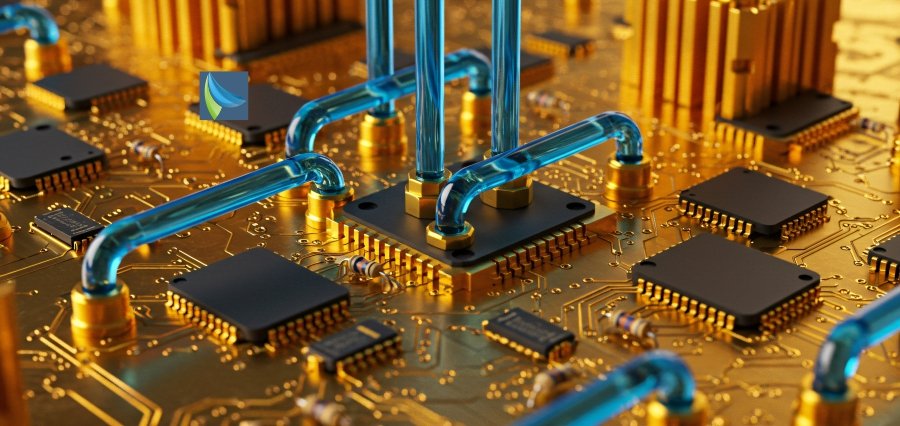
Data centres are exploding here. With more online everything, racks get hotter. Indian setups now use liquid cooling and smart airflow to save energy. Places like Climaveneta in Bengaluru build advanced systems that work in hot, humid spots.
Costs matter too. Indian manufacturing keeps prices down while hitting global standards like ASHRAE. The government pushes Make in India to help factories grow and create jobs.
Building Stuff That Lasts
What makes these solutions advanced? Better heat exchangers, liquid cold plates, and waste heat recovery.
Firms like XD Thermal or Incresol make cold plates for batteries and electronics. They mix materials smartly for top heat transfer. Others focus on evaporative coolers or hybrid systems that cut water and power use.
In HVAC, companies add IoT for remote checks and tweaks. That means less downtime for hospitals or malls.
Engineers here test in real harsh conditions – high temps, humidity swings. Products come out tougher.
Going Global: Exports Take Off
Once solid at home, companies eye bigger markets. Indian chillers head to over 50 countries, especially the Middle East and Southeast Asia, where heat is brutal.
Climaveneta aims to be a major export hub from its new Bengaluru plant. They make central AC gear for data centres and buildings worldwide.
Heat exchangers from Alfa Laval India or KBL go to Africa, Europe, and even marine uses. Liquid cooling plates ship for EVs and energy storage abroad.
Why pick Indian? Good quality, fair prices, quick custom tweaks. Plus, reliable supply chains.
Big players like Mitsubishi Electric set up here partly for exports. Local talent and policies make it easy.
Challenges on the Road
It’s not all smooth. New tech like full liquid immersion needs big upfront cash. Rules differ by country, so certifications take time.
Power cuts or supply issues can slow factories. But firms invest in backups and better processes.
Sustainability pushes too – lower refrigerants, greener designs. Indian companies catch up fast.
What’s Next
By 2030, India’s cooling market will boom, especially for data centres. Liquid and hybrid systems lead.
More exports mean jobs and pride here. Local-for-global works both ways – world tech comes in, Indian fixes go out.
These companies don’t just make cool machines. They build bridges, solve big problems, and show smart making starts anywhere.
In a heating world, India’s thermal journey keeps things steady – at home and far away.