
Unearthing Potential
The ground beneath our feet holds more than rock and soil. The fundamental materials that power our modern civilization. The start of everything we use comes from mining. The electrical wires in your home and the lithium that allows you to drive your electric vehicle all came from the process of mining minerals.
Today, the mineral extraction companies do not just continue to dig deeper; instead, they are also trying to find ways to mine better. Mineral extraction companies globally are in the midst of a successful transformation in how they work, how they compete with each other, and how they hold themselves accountable for the effect they have on the world.
Technology, sustainability and community involvement are now considered when making decisions within mineral mining companies across all levels of the industry. This is not an example of an industry adapting to change but rather an example of an industry creating change.
Technology Takes the Lead
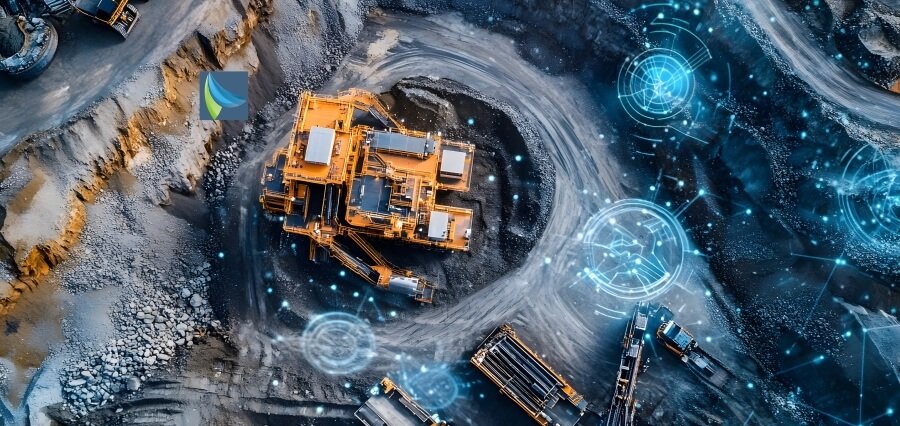
Today, when you enter a mining operation, you will see autonomous vehicles crawling through immense open pits, communication systems that estimate the quality of ore on-site, and data analysts working beside geologists.
Mineral extraction companies are currently applying AI to preempt equipment issues before they occur to save millions in downtime expenses and lower the likelihood of accidents occurring on the job. An example is the Rio Tinto, which operates some of the world’s largest fleets of autonomous haul trucks at its Pilbara iron ore operations in Australia. The outcome is a speedier, safer and more efficient mine.
Also, drones that are used by companies to survey a territory, inspect equipment, and check stockpiles much more accurately than they would with traditional means. It used to take days of manual surveying, but now it takes only a few hours. This change in speed and accuracy provides mineral extraction corporations with a competitive edge in planning and resource planning.
The Green Shift in Mining
The shift towards environmental responsibility in the industry could be considered the most important change that is occurring at the moment. Decades earlier, mining was blamed for land degradation, water pollution, and carbon emissions. The discussion is different today.
Progressive mineral extraction companies are pumping millions of dollars into alternative clean energy, wastewater recycling applications, and land reclamation. That is what Hindustan Zinc, a unit of Vedanta, has done already on a large scale – it generates much of its operations with renewable energy, and it has pledged to achieve zero liquid discharge at its mining facilities scattered across Rajasthan. They are not just exercises in PR. They are indicative of a real change in the way the sector sees its long-term future.
Critical Minerals and Energy Transition
The other major force changing the mining industry is the global critical minerals race. Clean energy transition is powered by lithium, cobalt, nickel, copper and rare elements. Any electric car, wind turbine and solar panel require these materials.
This mining rush has put mineral extraction companies at the heart of the most critical issue in the global economy and environment. Countries are rethinking supply chains, forging new mining partnerships, and investing in domestic extraction capacity to reduce reliance on single-source suppliers.
Beyond Minerals
Mining is inherently a human business, and with all the conversation surrounding automation, there is the possibility that one could overlook this fact. The best mineral extraction companies that extract minerals are those that understand that technology and community go hand in hand.
These companies will frequently establish schools, provide funding for local infrastructure, and hire people within the surrounding communities. Before breaking ground, the best companies consult with indigenous groups about their plans. Although mining extraction of ore may span twenty years, the relationship established between a mining company and a community will continue for multiple generations.
Mining’s Next Chapter
Over the next 20 years, mining will become more autonomous and will continue to improve extraction methods, reduce waste, and increase the life of deposits. Carbon emissions will drastically decrease as machinery that operates on fossil fuels is replaced with electric-powered machinery on mine sites around the world.
Geopolitical dynamics greatly influence how companies operate within the mining industry. Additionally, as companies will face increasing scrutiny from regulatory authorities regarding their environmental practices, their reputation as responsible operators will become increasingly important.
As such, communities, shareholders, and governments will also require greater transparency, equal sharing of the benefits of mining, and measurable outcomes that demonstrate environmental stewardship.
Companies that successfully adapt to and satisfy these expectations will not only thrive; they will set the future standard of what constitutes responsible mining practices for the next generation.
The current transition of mining indicates that the future of this industry belongs to those who possess the courage to innovate and the wisdom to take the entire world with them.