
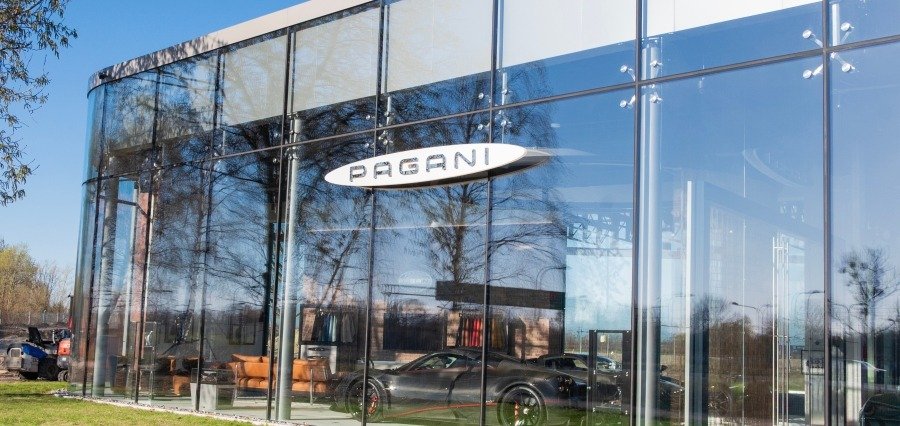
When people talk about hypercars today, the conversation often circles back to this Modena marque. Officially established as a car manufacturer in 1998 after years of work by Horacio Pagani, the Italian manufacturer did not simply build fast cars. It helped expand the idea of what a hypercar could look like, feel like, and represent. From carbon fibre innovation to hand finished interiors, the company turned engineering into art and proved that a small workshop in Modena could compete for attention with established automotive giants.
What started as one man’s obsession with lightweight materials became one of the most distinctive stories in the modern hypercar segment. The story is not just about horsepower or top speed. It is about how a brand earned trust through consistency, craftsmanship, and an unwavering commitment to detail that larger manufacturers can find difficult to reproduce at the same scale.
Understanding this journey matters for anyone curious about where hypercar design is headed next. The lessons developed in a small Italian workshop now provide an important reference for how newer brands think about materials, storytelling, and the customer experience surrounding a purchase of this significance.
A Foundation Built on Lightweight Innovation
Long before hypercars became a mainstream obsession, Horacio was experimenting with carbon fibre at a time when many automakers considered it too expensive or too specialised for widespread use in road cars. He believed lightweight construction would play an important role in the future, and he developed his first major production road car project, the Zonda, around that philosophy. The result was a car that felt more like a piece of sculpture than a conventional machine.
This early focus on materials science gave the company a distinctive technical identity. While some rivals concentrated heavily on larger engines and higher power outputs, the Modena workshop also focused on precision, balance, structural rigidity and weight reduction. That decision shaped everything that followed.
A New Approach to Hypercar Construction
One of the marque’s significant contributions to modern hypercar design came through the development of Carbo-Titanium, a composite structure in which carbon fibre is woven together with titanium fabric. The material was designed to provide greater strength and structural performance than carbon fibre alone while helping the manufacturer reduce weight. It was used on the Zonda R before appearing on the road legal Huayra.
This innovation did not single handedly transform the entire automotive industry, but it demonstrated what advanced composite construction could achieve in an extreme road car. The brand helped push the hypercar conversation toward lighter, stiffer and more technically sophisticated structures.
The Role of Storytelling in Brand Building
Marketing budgets and flashy campaigns are not the only reasons this company became famous among enthusiasts and collectors. Pagani built an authentic brand around storytelling, transparency and a level of craftsmanship customers could see and feel in every detail. Each vehicle is assembled by hand and highly personalised, while buyers can develop a close relationship with the factory and the people involved in creating their car.
That level of openness created a sense of ownership and connection rarely found in the automotive world. Pagani built an authentic brand not through advertising alone, but through relationships, factory experiences and a genuine passion that its founder, Horacio, continues to communicate directly to collectors.
The Art Behind Every Automotive Detail
Every stitch, every polished edge and every exposed carbon weave inside a Pagani vehicle reflects a philosophy borrowed from art and design rather than mass production. Interiors resemble fine watchmaking more than typical automotive upholstery, with exposed mechanical elements celebrated instead of hidden.
This approach helped make visible carbon fibre, exposed hardware, intricate machining and mechanical artistry important parts of the modern hypercar experience. Although it would be difficult to prove that every later design trend came directly from this one manufacturer, the Modena based philosophy clearly established a distinctive reference point for luxury performance car design.
Balancing Aerodynamics With Driving Experience
The Huayra introduced one of the brand’s most important technical developments, an active aerodynamic system using four independently controlled flaps, together with active front suspension, to help manage aerodynamic balance. The system allowed the car to adjust its aerodynamic behaviour according to driving conditions.
The Utopia later refined that formula with a renewed focus on driver engagement, offering a genuine manual transmission option at a time when many rivals had moved almost entirely toward automated gearboxes. This decision reflected the company’s effort to respond to the preferences of enthusiasts and customers rather than simply following every industry trend.
Why Scarcity Matters in Luxury
Unlike mass market automakers, this manufacturer intentionally limits production. That scarcity is not simply a marketing tactic. Each car is largely hand built, with a small team of specialists responsible for its design, materials, finishing and assembly.
This model showed how exclusivity paired with genuine craftsmanship could sustain a brand without relying on high production volumes. Pagani built an authentic brand through patience, choosing quality and individuality over scale in an industry often obsessed with growth. Collectors do not just buy a vehicle. They buy into a relationship with the brand, access to a personalisation process and the promise that their car will remain rare throughout the life of the model.
Influencing the Next Generation of Hypercars
Newer hypercar manufacturers increasingly look to brands such as this Modena marque when thinking about materials, design philosophy and customer relationships. Its influence extends beyond specification sheets and into how brands communicate with the people who buy their cars.
This approach has created an important reference point for manufacturers trying to balance heritage, innovation and exclusivity in a rapidly changing automotive landscape. However, its influence is best understood as an example and benchmark rather than as the sole source of every modern hypercar trend.
Conclusion
Pagani built an authentic brand rather than just building hypercars, helping change how the industry thinks about materials, craftsmanship and the relationship between a manufacturer and its customers. From Horacio’s early carbon fibre experiments to the latest Utopia models, the brand has consistently prioritised originality, detail and emotional appeal alongside performance.
That legacy will continue to influence hypercar design, proving that innovation and integrity can build something more lasting than horsepower figures alone.