
The industries are experiencing transformation at a fast pace in the digital era. In the current period, Many people mistake leadership for the capacity to oversee data analysis and system operations and performance assessment activities. Yet, Leadership requires more than numerical measurements because it demands comprehensive leadership capabilities. It lies in the ability to make decisions that balance efficiency with long-term societal impact. The rapid information processing capabilities of technology surpass human capacity, yet technology cannot achieve the essential human ability that combines ethical standards with environmental considerations and community welfare.
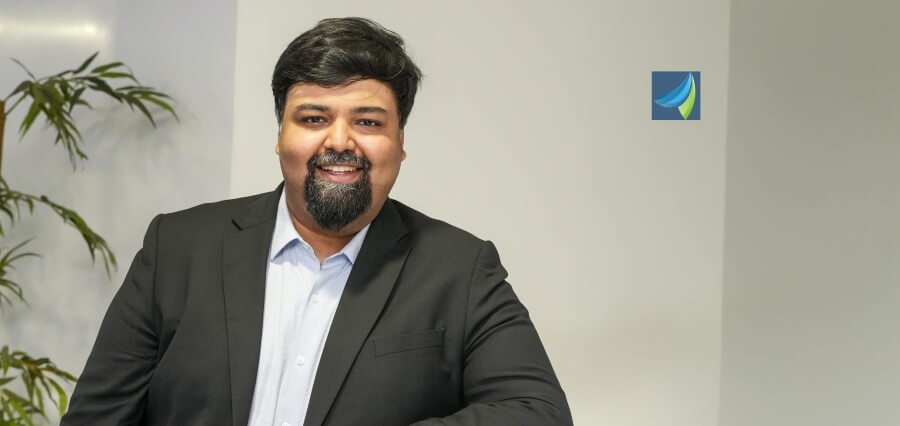
Step into the world of Mr. Rohan Mittal, Head – Strategy & Business Growth – GCC, VA TECH WABAG LTD, for whom leadership centers on his deep commitment to this principle. He is a genius mind who is operating in the critical sector of water infrastructure, where every decision influences public health, environmental sustainability, and quality of life. His approach reflects a rare balance between technical expertise and human responsibility. His journey is more than about professional growth; it is about shaping systems that serve both present and future generations.
The Early Realization That Defined a Purpose-Driven Path
A strong curiosity for engineering and infrastructure shaped Rohan’s early career, combined with an awareness of the larger impact these fields have on society. As he stepped into the water sector, he quickly realized that this was not just an industry; it was a responsibility.
Water infrastructure projects are inherently complex, involving multiple stakeholders, long timelines, and significant environmental implications. From the outset, he understood that success in this field required more than technical knowledge. It demanded a sense of accountability toward communities and ecosystems.
This realization influenced his approach to work, pushing him to look beyond immediate outcomes and focus on long-term value creation. It also instilled in him the belief that infrastructure must not only solve current challenges but also anticipate future needs.
A New Paradigm of Leadership
Hierarchy did not define Rohan’s evolution, but his ability to create environments where innovation could thrive. In modern organizations, he believes, decision-making cannot remain centralized. Rohan mentions, “The most effective solutions often emerge from those closest to the problem.”
At WABAG, he encourages a culture where expertise is valued over hierarchy. Engineers, project managers, and operators are motivated to contribute ideas, challenge assumptions, and develop practical solutions based on real-world challenges. Many of the organization’s innovations have originated from teams working directly on projects.
“Leadership is not about control. It is about trust and accountability”, adds Rohan Mittal. By providing clear direction while allowing teams the freedom to experiment and learn, he has enabled a culture where ownership drives performance. This approach has improved operational efficiency as well as strengthened the organization’s ability to adapt and innovate.
Leading with Judgment in the Age of AI
At the core of Rohan’s leadership philosophy is the belief that technology should support human judgment, not replace it. Artificial intelligence and digital tools have become integral to infrastructure operations, enabling predictive maintenance, energy optimization, and real-time monitoring. However, he strongly emphasizes that these tools must remain assistants rather than decision-makers.
In sectors like water infrastructure, where decisions impact safety, reliability, and environmental outcomes, blind reliance on automated systems can be risky. He advocates for a culture where professionals are encouraged to question, validate, and interpret digital insights through their own expertise.
Another key aspect of his leadership ideology is continuous learning. In a rapidly changing world, the traditional model of accumulating experience over the years is no longer sufficient. Leaders must remain curious, stay connected with emerging technologies, and understand evolving societal expectations around sustainability and responsible development.
For Rohan Mittal, adaptability is not just a skill; it is a necessity. By embedding a culture of learning within the organization, he ensures that teams remain prepared for both current challenges and future opportunities.
Nurturing Talent, Enabling Impact
A defining strength of Rohan’s leadership is his emphasis on building strong, purpose-driven teams. He believes that modern professionals seek more than financial rewards; they desire to feel that their work contributes to something meaningful. He says, “True leadership goes beyond numbers; it lies in making decisions that balance efficiency with long-term societal impact.”
In the water sector, this sense of purpose is naturally embedded. Every project, whether it is a treatment plant or a recycling system, directly impacts communities, ecosystems, and economic development. By consistently reinforcing this connection, he has cultivated a workforce that is deeply engaged and motivated.
He also prioritizes psychological safety within teams. Creating an environment where individuals feel comfortable questioning ideas, sharing feedback, and exploring new approaches is critical for innovation. When people know that their expertise is valued, they become more confident in contributing to organizational growth.
Additionally, Rohan Mittal focuses on developing talent through continuous reskilling. His approach emphasizes technical expertise, multidisciplinary knowledge, and a culture of self-learning. By investing in people, he ensures that the organization remains resilient in the face of change.
Impact Outweighs Accolades
While recognition is an important milestone, Rohan Mittal views it as a reflection of collective effort rather than individual accomplishment. He further adds to his statement, “The true measure of success lies in the outcomes delivered.”
One of the most defining achievements in recent times was securing the Yanbu Desalination Project in Saudi Arabia, a 300 MLD project that reaffirmed the organization’s capabilities on a global stage. The journey to this milestone was far from straightforward, requiring strategic re-entry into competition and a strong belief in long-term potential.
This success not only demonstrated resilience under pressure but also reinforced trust among clients and stakeholders. It highlighted the organization’s ability to compete in challenging environments while maintaining a commitment to quality and sustainability.
Beyond such milestones, Rohan Mittal finds greater fulfillment in the tangible impact of his work when cities gain reliable access to water or industries adopt sustainable practices. These outcomes, he believes, carry far more significance than any award.
Thriving Amidst Change and Challenge
The path to success has not been without challenges. Operating in a global environment marked by market volatility, intense competition, and evolving demands requires constant agility.
One of the most significant challenges was navigating uncertainty while maintaining growth momentum. During such periods, decision-making becomes more complex, requiring a balance between caution and conviction.
Rohan’s approach to these challenges has been rooted in resilience. According to him, “Resilience is not about avoiding uncertainty, but about moving forward with conviction despite it.” Rather than avoiding uncertainty, he focuses on embracing it, taking calculated risks and moving forward with confidence. The experience of re-engaging and eventually winning the Yanbu project stands as a testament to this mindset.
Another challenge lies in managing the integration of advanced technologies while ensuring that human expertise remains central. By promoting a culture of validation and critical thinking, he has successfully addressed this balance.
Strength in Balance, Power in Perspective
In a demanding field like infrastructure, maintaining work-life balance can be challenging. However, Rohan Mittal approaches this balance not as a strict separation but as a matter of perspective and alignment.
Staying grounded is an important part of his routine. He credits this to the nature of his work, which requires continuous engagement and long-term focus. The complexity of projects ensures that there is always room for improvement, keeping him connected to the purpose behind his role.
Equally important is the support of his team. Being surrounded by individuals who are deeply involved in execution and open in their feedback helps him stay aligned with reality. This collaborative environment reduces the burden of leadership and fosters shared responsibility.
Purpose Today, Legacy Tomorrow
Looking ahead, Rohan Mittal envisions a future where water infrastructure becomes more intelligent, sustainable, and responsive to global challenges. He sees significant potential in emerging sectors such as semiconductors, solar PV, and green hydrogen, where demand for advanced water solutions is rapidly growing.
At the same time, he emphasizes the importance of balancing global expertise with local insight. While technology platforms may be standardized, implementation must consider regional conditions, regulatory frameworks, and community needs.
His vision is centered on creating solutions that are not only technically strong but also socially relevant. By integrating innovation with sustainability, he aims to contribute to a future where resources are managed responsibly and equitably.
For the next generation of leaders, Rohan Mittal offers a simple yet powerful perspective: invest in people, stay curious, and lead with purpose. He believes that human potential remains the most valuable resource in any organization. While technologies and markets will continue to evolve, the ability of individuals to imagine, collaborate, and build solutions will always be at the heart of progress.
For Rohan Mittal, leadership is not about managing systems but about enabling people to realize their full potential. When individuals are empowered with knowledge, trust, and a clear sense of purpose, they often exceed expectations.
In sectors like water and environmental infrastructure, this responsibility carries even greater significance. Before Rohan Mittal concludes, he says, “Every decision shapes not just immediate outcomes but also the future of communities and ecosystems.”
His message is clear: when leaders respect natural resources, prioritize people, and act with purpose, they create a legacy that endures far beyond their time.