
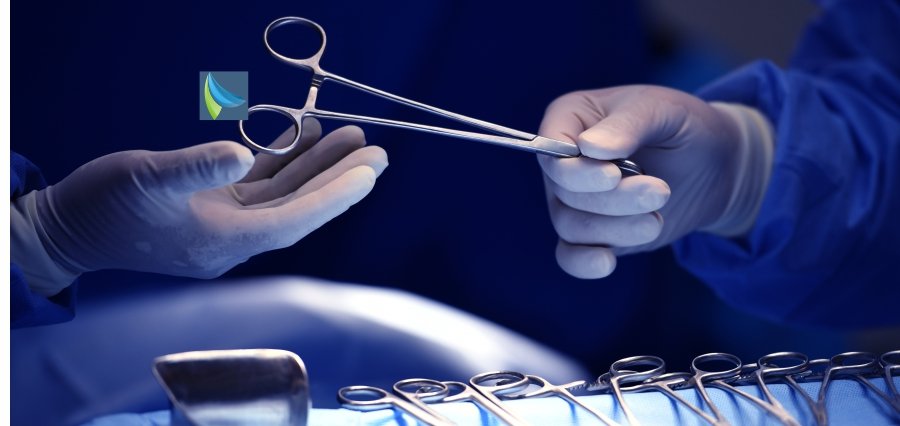
The Power of Precision
Medicine has never been outside the intersection of science and humanity, where technical mastery is under moral responsibility. No profession is characterized by this balance as much as surgery, which is not only about the instruments and the cuts that are made, but about the weight of each decision taken in the pressure.
A surgeon professional has to cope with this fact every day. Whether it is the first diagnosis or the post-operative treatment, every decision has implications that go much farther than the operating room – determining recovery, reintegrating functionality and, in most instances, redefining the future of a patient.
In this regard, think of Dr. Atul Gawande, the famous American surgeon and public health researcher, whose work has long been focused on the direct effects of surgical decision-making on patient outcomes and quality of life. His experience demonstrates what it actually takes to be a good surgeon: accuracy, compassion, a sense of integrity, and a sense of responsibility.
It is not just a process-based profession. It is an ongoing act of consequential decisions where competence and compassion meet and where a specialist devotion to their work silently, yet dramatically, influences human lives.
The Accountability of Each Decision
A surgical specialist works in the sphere where the decisions have to be timely and correct. It requires one to be clear-headed in every step. It is either the diagnosis of a condition or the process of choosing the appropriate surgical course of action. The situation of general surgeons can be full of no room to hesitate. Their skills in risk and benefit evaluation will see to it that the patients have the best possible care. This task instills in an attitude that places importance on accuracy and responsibility on top of the list.
Establishing Reliability With Patients
Any successful surgical practice is based on trust. A surgical specialist has to be able to communicate effectively with the patients, informing them about procedures, risks, and results. Such openness makes the patients feel secure and assured. In addition to technical skills, empathy is an important factor. Patients feel that they are being cared for and listened to positively, and hence the relationship established between the patient and surgeon will become effective and easy.
Precision in Practice
Surgery requires a lot of technical expertise and attention to detail. A surgical specialist takes years to master skills that he needs to have steady hands and concentrated attention. All the cuts, sewing, and movements have to be counted. This accuracy minimises complications and enhances recovery. These honed skills are acquired with time becoming a second nature and through such skills, the surgeons are able to carry out even the most complicated tasks confidently.
Pressure and decision-making
Working room may be a stressful environment. A surgical specialist is usually subjected to high stress situations where immediate thinking is crucial. This pressure notwithstanding, it is important to remain calm. Surgeons learn how to remain calm and concentrated making sure that their choices are clear and effective. It is this sense of urgency and control that enables them to deal with situations that are very difficult.
Ethics in the Surgery
Ethics is an important aspect in the decision that a surgical specialist makes. The decision on the appropriate action course will be based on the well-being of the patient, his or her preferences, and long-term outcomes. The surgeons should also give the autonomy to the patients and make sure that they are made fully aware of the procedure before they can give their consent. This code of ethics enhances the integrity of the profession and builds trust in surgical care.
Impact Outside the Operating Room
A surgical specialist does not only make a difference in the field of surgery. The quality of life, rehabilitation, and recovery depends on their decisions. Surgeons can help in long-term health outcomes by providing patients with post-operative care and follow-ups. This comprehensive method guarantees that patients not only endure procedures but also prosper following the procedures.
Human Side of Surgery
The technical skills are the most important but the human aspect of surgery cannot be overlooked. A surgical specialist tends to meet the patient when he or she is in need. The job involves emotional support and being able to grasp issues and provide reassurance. These experiences remind surgeons the even greater purpose why they are doing their job to transform lives and bring hope.
A Life of Choice
The path of a surgical specialist is determined by the choices that he or she makes daily. Every decision, big or big, can transform a life. General surgeons are still able to make a significant impact on the lives of their patients through competence, kindness, and commitment. Their work has been a reflection of the strength of thinking well and unblinking dedication to care.