
Improving Movement Flexibility
It usually starts quietly. A bit of tightness in the lower back after a long day, a knee that doesn’t bend quite as easily as it used to, a shoulder that protests when you reach behind you. Most people shrug it off and carry on. But stiffness has a habit of staying, and over time it can shrink the list of things a person feels able to do. That’s a big part of why joint mobility treatment has found a stronger footing in healthcare today.
People’s expectations have changed as well. Staying active well into later life is something many now hope for, not just a lucky bonus. And if that’s the goal, then looking after the joints becomes hard to ignore.
So What Does It Actually Involve?
Joints are where bones meet, and they rely on movement to stay in good shape. Leave them still for too long, or let an injury heal without proper care, and they can lose some of their natural range. The muscles nearby tend to tighten in response, which only makes the problem worse.
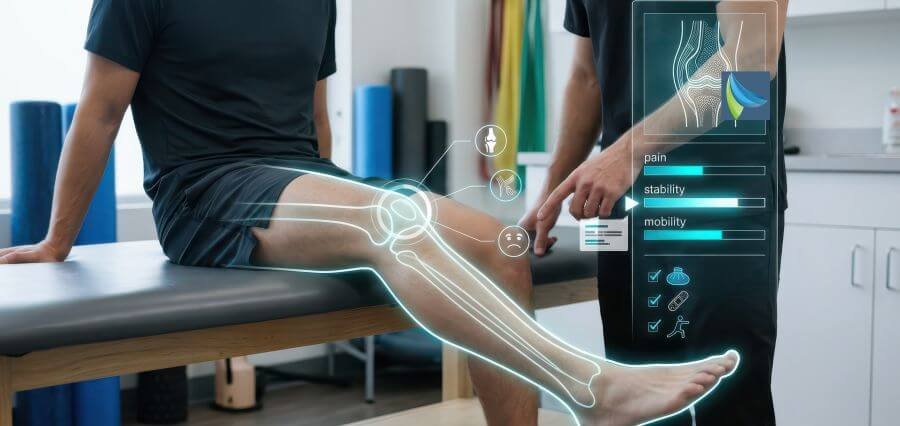
With joint mobility treatment, a trained professional works to reverse that pattern. They’ll check how the joint moves, notice where it’s restricted, and then use a mix of gentle hands-on techniques and specific movements to open things up again. It isn’t rushed. Each session builds a little on the last, and the approach changes depending on how the body responds.
Everyday Habits Take Their Toll
If you look at how most people spend their time, the rise in stiffness makes sense. Hours at a desk. Long drives. Evenings on the sofa. The body ends up spending much of its day in just a handful of positions, and the joints slowly adjust to those limits.
Add in old injuries, repetitive work, and the tension that stress tends to build in the body, and you have a recipe for stiffness that almost anyone can relate to. It’s no wonder joint mobility treatment now draws in such a varied group of people, all of them hoping to feel a bit freer in the way they move.
Why It’s About More Than Pain
Yes, easing pain matters, and for many people it’s the main reason they seek help. But there’s more to it. When a joint stops moving properly, other parts of the body quietly pick up the slack. Over time, that can create new aches in places that were never the original problem.
Restoring movement lets the body share the work more evenly again. Many people notice they move with less hesitation and feel steadier on their feet. That added stability is one reason joint mobility treatment is also seen as a way to help prevent falls and injuries down the road.
Part of a Team Effort
Stiff joints aren’t always just stiff joints. Sometimes they point to an underlying medical issue, and when that’s the case, a doctor needs to be involved first.
Where it’s safe and suitable, joint mobility treatment can work hand in hand with other care. It might help someone get back on their feet after surgery, support healing after an injury, or tackle stiffness that has crept in over many years. The best results usually come when everyone involved in a patient’s care is on the same page.
What Happens Between Sessions
Here’s something that often surprises people. Much of the progress depends on what they do at home. Professionals will often suggest a few easy stretches, along with small changes like getting up more often during the day or adjusting how they sit at work.
Those little habits help the benefits last. In the end, joint mobility treatment works best as a shared effort, where the professional guides the way and the patient keeps things moving in between visits.
Choosing Someone You Can Trust
Because this kind of care is so hands-on, it matters who’s providing it. A well-trained professional will ask about your health history, explain what they’re doing as they go, and adjust if something doesn’t feel right. If you’re unsure about anything, ask. You should never feel rushed or ignored.
The right provider makes joint mobility treatment both safer and more rewarding. It also makes it easier for patients to stick with their care long enough to see the changes they’re hoping for.
Looking Ahead
Healthcare is slowly placing more value on how well people live, not just on treating illness once it appears. Being able to move comfortably is a big part of that picture.
With trained hands, a bit of patience, and some commitment from the patient, joint mobility treatment can help people move more easily, stay independent, and get through their days with a lot less discomfort.