
Vision into Valuable Spaces
The process of urbanization is happening at an unprecedented pace in the history of mankind. In 2050, two-thirds of humanity will live in urban areas, and the built environment will form the largest share of growth. The buildings that will be constructed to accommodate this demand will either aggravate the problem of climate change or solve it. It is sustainable real estate development that forms the very essence of this matter.
The numbers highlight the urgency. The construction industry today accounts for almost 40 percent of total energy consumption and about a third of greenhouse gases emitted into the atmosphere worldwide, the United Nations Environment Programme reports. According to the World Green Building Council, green buildings consume less energy – up to 30 percent than traditional buildings. With the current global real estate market at USD 22.64 trillion and forecasted to grow to USD 33.61 trillion by 2030, the environmental implications associated with each development are massive. Sustainable real estate development does not demand from developers to forego profits – it demands that developers reassess what long-term value means.
The Market Is Responding
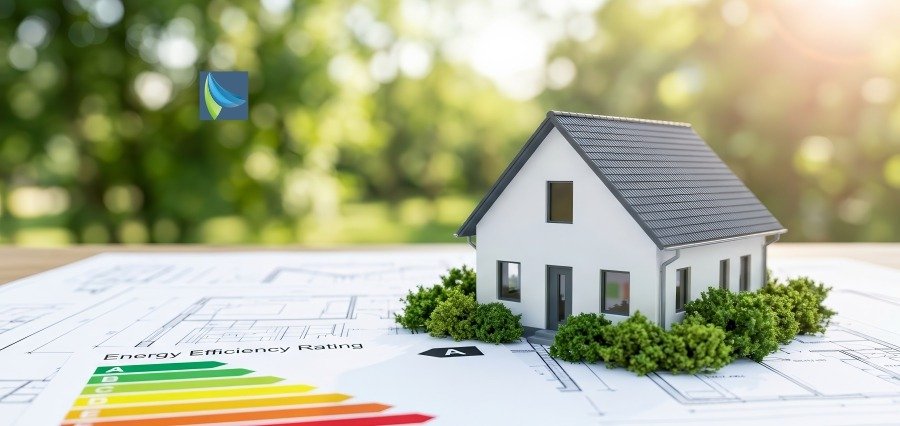
Investor and regulator pressure has only intensified the process. The European Union’s Green Deal stipulates that all new buildings have to be constructed under zero carbon standards, thus encouraging development in terms of construction techniques, materials and energy management in Europe. Green building certification systems such as the global LEED (Leadership in Energy and Environmental Design) and BREEAM have transitioned from specialty programs into mainstream criteria for investment. Properties that have green certifications have higher rental rates, more eco-aware tenants, and lower operational expenses throughout their lifecycle.
The implementation of regulations on energy efficient construction and smart building compliance resulted in a 22 percent increase in sustainable developments in the first quarter of 2025. In addition to low carbon materials such as mass timber, recycled steel and composites, the principle of designing based on circular economy models, which involves the monetization of material reuse, has taken hold. Sustainable real estate development has been transformed from a values-oriented goal to a business-oriented strategy that is viewed as indispensable by many institutional investors.
Technology as the Enabling Layer
Smart buildings technology has enabled sustainable real estate development to operate in real-time, unlike the green design approach used in earlier times. The IoT sensor monitors occupant behavior, controls the HVAC and lighting system and maximizes the efficiency of energy usage continuously, which results in cost savings for operations. Climate risk analysis through Artificial Intelligence can assist developers in assessing their vulnerability towards flooding, heat stress, and energy fluctuations prior to developing their project. Venture investments in the PropTech sector surpassed USD 16 billion per year in both 2023 and 2024, with considerable investment going into smart building technology and digital transaction management.
The Gap That Remains
Nonetheless, this progress is unequal. Green building rates for affordable housing are lower compared to those of top-end commercial buildings. It is also clear that rural and peri-urban areas do not have the necessary regulatory regime and expertise that would spur change in large metropolitan areas. Sustainable real estate development should be more widely applied, moving from luxury neighborhoods and premium buildings to become a true factor in shaping our urban spaces. At all governmental levels, the task of creating incentives for developers in the non-premium market should be taken up.
Building the Cities That Last
The cities that will characterize the second half of this century are currently being planned and funded. The decisions on what materials to use, what type of energy systems to install, and what governance structures to put in place during this decade will decide if the expansion of cities accelerates the destruction of our planet or sets us on a path towards resilience. This is what sustainable real estate development provides us.