
Securing Resources Beyond Extraction
The control of critical minerals is dictating diplomacy today as much as oil did before. Lithium, cobalt, nickel, and graphite have become integral for powering electric cars, energy storage, and electronic devices. However, only a few nations control the production of these resources. Nations importing such resources feel vulnerable, and they look for ways to counteract that situation. One way out is through BRR.
The Scramble for Supply
The demand is increasing rapidly. Every electric vehicle, every battery that powers homes, and every installation on the electricity grid requires raw materials that are mined slowly and expensively. Mine operations take many years to obtain permission and construct, and they are often opposed by locals because of issues around water consumption and pollution.
Mining Above Ground
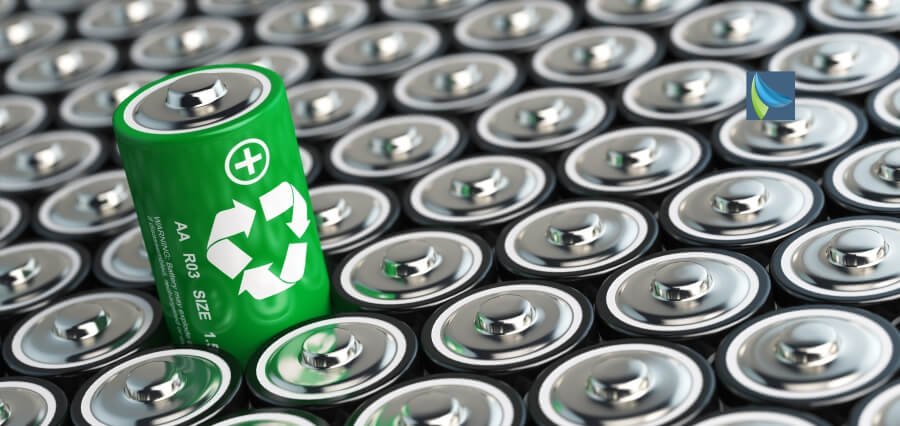
The used batteries have all the same minerals as the ore, and sometimes even in greater quantities. The process of recycling starts with shredding or dismantling the battery cells and then using either heat treatment or chemicals to recover the minerals. This method is referred to as urban mining by the industry due to the deposits of such minerals in cities and plants.
However, the environmental benefits make it an even more compelling choice. The recycling of batteries prevents certain emissions, water usage, and land disturbance that would otherwise occur during the mining process. In addition, there will be no toxic chemicals leaking from the landfills, as recycling prevents the batteries from ending up there.
A Company Built on Recycling
Redwood Materials illustrates the working of this model. The venture is founded by a former Tesla co-founder named JB Straubel in the year 2017. It is headquartered in Carson City, Nevada. Redwood recycles dead batteries and scrap from the manufacturing process, extract metals like nickel, cobalt, lithium, and copper, and then delivers purified metal back to battery manufacturers.
Policy Joins the Race
Governments also create regulations to hasten the transition. Politicians create goals for the levels of battery collection, recycled metals, and recycled content in new batteries. Some regulations require producers to register every battery using a digital registration system that can help recyclers determine the chemistry and condition of the batteries. This type of regulation gives investors certainty that Battery Resource Recovery will have a consistent supply and demand.
Trade is another issue to consider. Countries with recycling facilities can leverage their position since they have materials that competitors previously had. Some countries impose restrictions on the exportation of battery scrap, which ensures that the precious material remains in the country while creating problems in international trade.
Hurdles Along the Way
Nevertheless, there are some issues. Batteries vary in type and material content, and the manufacturers of batteries do not provide any data that could help in disassembling batteries. The lack of an appropriate collecting system leads to the fact that used batteries are kept in garages or disposed of as waste. Transportation policies classify damaged batteries as hazardous cargo, thus increasing the cost of transportation.
Moreover, there is the issue of economics. The price of metal fluctuates, and it may be difficult for recyclers to recover their expenses at low prices. The more modern batteries, such as lithium iron phosphate batteries, contain cheaper metals. Consequently, operators need to reduce their expenses or increase efficiency.
Designing for the Next Life
Improved design would help. Modern batteries are designed to be dismantled easily by technicians, and their chemistry is clearly marked, and they are engineered to use fewer rare materials. Automakers and recyclers are increasingly working together at the beginning since it is cheaper than fixing mistakes at the end of life. Reuse should also be considered as a lot of batteries have significant energy left to use before being recycled.
The Strategic Outlook
The critical mineral equation is likely to continue influencing alliance-building and trade agreements. Nations which develop their recycling capabilities today can be assured of a source of supply, creation of employment opportunities, and improved negotiating leverage. Businesses which neglect recycling could end up paying a price through increased costs and reduced supply when demand becomes high. Battery Resource Recovery may not substitute mining, but it will reduce the disparity in supply and demand, mitigating the interruptions.
Decision-makers need to see the value in used batteries, and treat them like assets. Plan for their collection, design to standard, and legislate in favor of recovery. Cooperation on the part of governments and businesses will enable Battery Resource Recovery to become an important aspect of energy security.
Leaders should treat used batteries as assets, not waste, and write rules that reward recovery. Governments and companies that act together will turn Battery Resource Recovery into a pillar of energy security. Every Battery Deserves a Second Life, and Every Cell Holds Untapped Potential. We Transform Battery Resources into New Possibilities, Powering a Greener and More Sustainable Tomorrow.