
Intelligence Driving Energy Independence
Solar energy reaches the Earth’s surface in just one hour more than enough for a year’s energy needs by the entire world, but for years, engineers have been finding it difficult to utilize and regulate. The time has changed. Sensors, software, and storage are turning simple roof-top panels and large-scale solar farms into intelligent grids. Leading this revolution are smart solar energy systems, which are being relied on by governments, utilities, and even households to reduce emissions and regulate expenses.
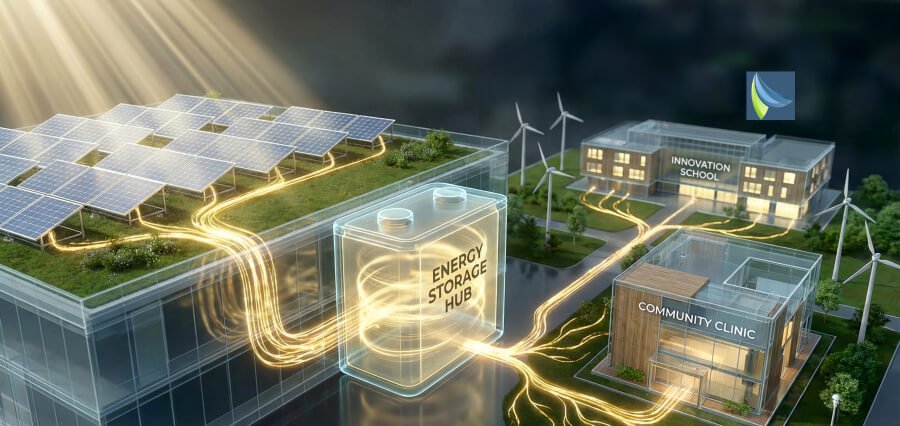
Normal solar systems produce energy any time sunlight falls on the panels, without regard for whether there is a need for it. The added intelligence to the process comes from smart solar energy systems, where inverters can talk to the grid, batteries can store excess energy, and software can predict the weather, demand, and prices.
How the Technology Works
The three elements that are responsible for the change are advanced inverters that convert DC into AC, maintain the voltage and frequency levels; batteries that store the excess energy generated at noon and release it in the evening; analytics platforms monitoring every panel, alerting to any problems, and organizing maintenance before a failure occurs. People, who used to detect the issues at inspections, now get alerts within minutes.
Artificial intelligence adds another dimension to every element. The forecasting model analyzes the satellite images and the information about the local weather conditions to make predictions about the power generation several hours ahead. These predictions help the grid manager balance supply and demand and decrease the dependence on fossil-fuel back-up power plants. For homeowners, there are mobile applications indicating the power production rate and scheduling their appliance usage to reduce costs.
The systems become more resilient as well. In case of power outage due to storm or fault, the systems with batteries and intelligent control can isolate the neighborhood and provide it with energy.
A Desert Giant in India
The Bhadla Solar Park in Rajasthan is an example of the level of solar energy generation that can be achieved. This solar park was developed in the Thar Desert region, with its total installed capacity standing at 2,245 MW, making it one of the biggest solar parks in the world. This solar park covers an area of around 14,000 acres of dry land.
Economic and Social Gains
Economics are getting better each year. Panels’ prices have dropped tremendously within the past ten years, and the storage costs decrease in a very similar way. Smart solar energy system companies save on electricity costs, are protected from fluctuations in the market prices and earn money by providing flexibility back to the grid. The same advantages apply to residential owners, who have one additional perk – access to emergency electricity.
Investment leads to jobs. Installation workers, electricians, programmers, and data analysts can get jobs thanks to developing industry. Rural areas can earn money from leasing the lands for solar parks, and distant villages will have access to energy, without building expensive lines for transmission.
Obstacles on the Road
Challenges still exist. Grid operators in many nations have difficulty connecting new installations promptly, while existing regulations hinder the process. Battery production requires the use of mined metals, an issue of both environmental concern and logistics. Another problem comes in the form of cybersecurity; connection means that there are openings for hacking. Producers of smart solar energy systems must thus ensure each device is secure and exchange threats with utility companies.
Recycling becomes an additional problem. Panels have an extensive life span but the first wave of retired panels is coming soon. Collection and reuse guidelines are necessary for manufacturers and regulators now to avoid problems in the future. Recycling incentives will ensure that the clean energy revolution remains clean.
The Road Ahead
Policies will decide the pace. The speed of implementation can be accelerated by the government through streamlining of permit procedures, paying decent prices for stored and transported energy, and funding grid modernization. Rules will ensure that investors are assured of safety of their investments and consumers of the technologies. First-movers will gain an inflow of manufacture, expertise, and funds.
Progress will keep going. Scientists are increasing the efficiency of the solar cells, while engineers are developing virtual power plants through millions of home batteries operating together as a single generator. Smart solar energy systems will increasingly become intertwined with electric vehicles, heat pumps, and smart meters, turning households into full-fledged energy players.
The move towards renewable energy requires not only affordable solar panels but intelligence. Societies that are able to combine generation with storage, data analysis, and right policies will be able to reduce carbon footprint and avoid increasing energy costs. Smart Solar Energy Systems provide all of that, and those who support them now will have their say on what kind of energy future we’ll have.