
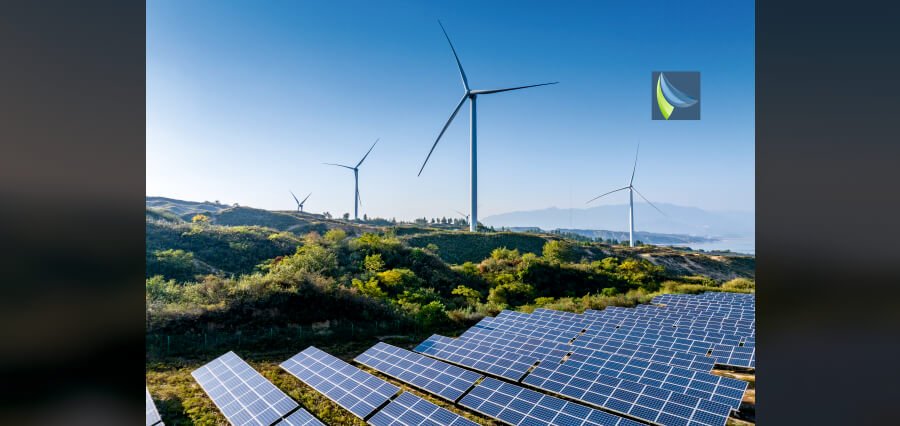
Turning Sunlight into Greater Value
Solar panels have spread from roofs to deserts and water bodies around the world, but there are still some installations that end up using less of the sun’s rays that fall on them. More and more people in the utilities and in development companies as well as in households realize that simply creating more capacity is not sufficient. Getting more electricity out of each panel is equally important.
The reasons for this importance keep growing because the world of energy generation is changing at a fast pace. Demand for electricity increases due to the electrification of transportation, heating, and data centers. Climate goals become tougher while the amount of land available in proximity of urban areas becomes smaller.
Where Losses Hide
Losses begin much earlier than at the point where electricity is delivered to a customer. Increased temperatures cause cells’ performance to drop because panels become less effective with increasing temperature. Dust, bird droppings, pollen decrease lighting. Shading even partially from trees or buildings affects the whole string of panels. Inverters, wires, and connections consume additional energy as current goes to the grid. Engineers, who carry out audits of these losses, regularly discover simple solutions.
Therefore, maintenance becomes more important for many people than they might think. Cleaning, thermal imaging, and removing plants increase output at a relatively small expense. Software, which monitors performance ratios according to weather data, detects underperforming strings immediately, rather than after several months. Performance ratios, which are followed by operators, allow detecting and fixing problems in time. Such routines save solar power generation efficiency without using additional devices.
Technology Raises the Ceiling
Hardware advances provide the next tier of benefits. The use of bifacial panels that harness reflected light off the ground increases yields on the same space. Single axis trackers align the panels with the movement of the sun and increase the productive time of the day. Microinverters and power optimizers minimize the impact of shading issues. Cell designs continue to evolve and include the adoption of passivated contacts that lower the losses occurring within the cell.
Incredible cell innovation has brought about remarkable advancements in the sector. On November 27, 2023, the Chinese company LONGi released a perovskite-silicon tandem cell that was able to achieve 33.9 percent conversion efficiency, verified by the US National Renewable Energy Laboratory. The conventional silicon solar cells have a limit of around 29 percent; however, the tandem cell design that uses two light-absorbing layers breaks this barrier that had been holding the industry back for decades.
Storage and Smart Controls
The ability to store energy and control it intelligently extends the advantages. The batteries take in the excess from midday and deliver energy after sunset. This means that there is a reduction in the process known as curtailment, where excess electricity production gets slowed down because the network cannot take any more. Energy can be predicted through forecasting and used at the right times.
Policy and Finance
It is policy and finance that affect the decisions. Lenders are now paying close attention to the yields, degradation rates, and maintenance schedules prior to investing in a project. The more realistic the developer’s projections are, the lower the cost of finance. On the other hand, regulatory bodies may help in fast-tracking projects by making grid connections easier and encouraging technology capable of generating stable output during peak periods.
Practical Steps for Owners and Operators
Owners of private homes and small companies can take action now. They need to compare panel specifications, review temperature coefficients, and get a shading study from installers prior to signing contracts. After installation, owners will need to use the application and clean panels when there is low performance. The plant whose efficiency is reduced by dust and improper orientation will quietly reduce revenue every month.
Big producers need to follow a different list of actions. They need to benchmark each installation to modeled performance, look for discrepancies that exceed a specific threshold, and perform upgrades that have an acceptable payback period. Updating older installations with new inverters, solar trackers, or monitoring systems usually costs much less than constructing a new solar power plant and makes the asset last longer. Companies that keep solar power generation efficiency as a constant management goal outperform others.
The Road Ahead
It is clear where the path lies, and quick action must be taken. With improvements in the panels, storage, and software all occurring simultaneously, solar power generation efficiency will determine which projects prosper in the market environment. Those who measure losses, fund efficient technology and monitor the emerging technologies will be at the forefront, and Solar Power Generation Efficiency will be the standard.