
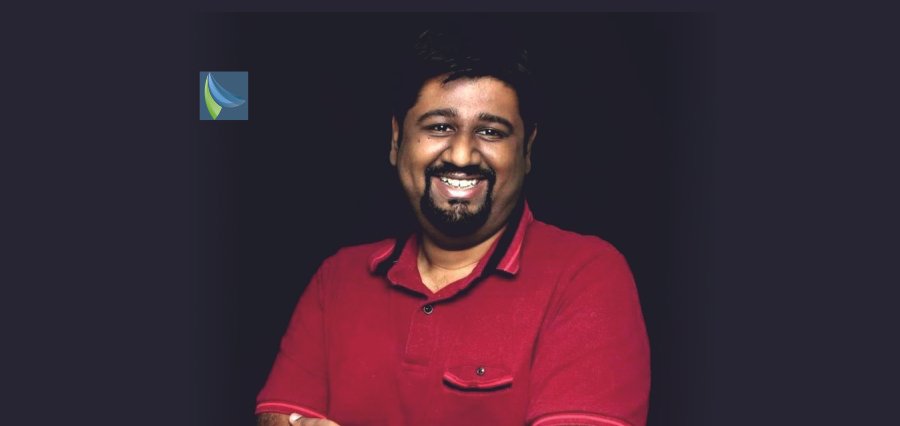
Long before he got known for his work in artificial intelligence, data science, and strategic innovation, Siddhesh Dongare was pushed by a kind of deeper question, not only “what can we build”, but something like how knowledge can actually create long-term chances for other people. His journey shifted with time, from handling complicated global tech agreements to supporting students and professionals through mentoring and practical, more tactile learning. Siddhesh’s career feels distinguished not just because of professional strength, but also because he keeps showing up for others, building confidence, direction, and a clearer sense of purpose in a world that changes so fast.
Discover how Siddhesh Dongare is transforming careers by bridging innovation, mentorship, and human-centered leadership.
A Career Shaped by Purpose
As his corporate career deepened, Siddhesh worked across product management, artificial intelligence, data science, and global technology initiatives. He gained exposure to large-scale business challenges and the kind of cross-market problem-solving that sharpens strategic thinking in ways that classroom environments rarely can. Yet, even as he climbed, he kept one eye trained on a persistent gap he observed: talented students and professionals frequently stumbled not because of a lack of intelligence, but because they lacked the right mentorship and real-world industry exposure.
That observation became his calling. “Helping individuals unlock opportunities through knowledge and confidence gives me immense satisfaction,” he reflects. For him, the decision to invest seriously in career mentoring and practical education was never a pivot away from his professional ambitions; it was the natural extension of them.
Leadership That Empowers, Not Directs
When asked about his leadership style, Siddhesh speaks not of hierarchy, but of enablement. He describes his approach as collaborative, disciplined, and growth-oriented, one where the goal is to help people think independently rather than rely on authority for direction. Ethics, accountability, continuous learning, and long-term impact form the four pillars that guide his decisions, both in the boardroom and the classroom. He holds firmly to the belief that sustainable growth will always outperform short-term gains, and that empathy and clarity are not soft skills but essential leadership tools.
This philosophy directly informs how he encourages creativity within his teams and students. Rather than creating environments where failure carries a stigma, he builds spaces where experimentation is welcomed and problem-solving is prioritized. He pushes people to understand not just the “what” of a task, but the “why” behind it because that understanding, he argues, is what transforms instruction into ownership.
Defining Moments and Milestones
Several turning points have defined Siddhesh’s trajectory. Gaining the opportunity to work on global AI and data-driven initiatives across multiple markets broadened his understanding of innovation and gave him a front-row seat to challenges that demand both technical precision and human judgment. It was this experience that also led him to develop the AIP-DM framework — a structured approach to bringing agility and discipline into AI and data science project execution. The framework reflects his practical, system-thinking mindset: the conviction that good ideas need sound structures to create real impact.
Yet, when pressed to name his most meaningful accomplishment, he does not reach for a corporate credential. He reaches instead for the stories of students and professionals whose lives changed because someone invested in their potential. “Seeing learners gain confidence, secure opportunities, and transform their careers reinforced my belief that true success lies in creating impact for others,” he says.
Staying Ahead in a Fast-Moving World
On the question of remaining relevant in a rapidly evolving business landscape, Siddhesh’s answer is clear and unwavering: adaptability and continuous learning are non-negotiable. He acknowledges that AI and automation are reshaping industries at an unprecedented pace, but he does not treat this as a threat. Instead, he advocates for a balanced approach, one where organizations embrace emerging technologies while simultaneously strengthening human intelligence, ethical decision-making, and problem-solving capabilities. For him, long-term value creation always takes precedence over chasing every passing trend.
Resilience as a Growth Strategy
Siddhesh is candid about the challenges his journey has presented. Managing the simultaneous demands of corporate leadership, mentoring initiatives, innovation work, and ongoing self-development tested his limits more than once. He met those pressures not by cutting corners but by developing discipline and structured thinking as core habits. More importantly, he shifted his relationship with obstacles entirely. “Instead of treating obstacles as barriers, I started treating them as opportunities to learn and improve,” he explains. That reframe, he credits as the engine behind his adaptability and his solution-first mindset.
A Message to the Next Generation
For the young professionals and students looking to create meaningful change, Siddhesh’s message is both grounding and forward-looking. He urges them to embrace consistency and discipline as their most reliable allies, to build practical skills alongside strong communication and critical thinking, and to approach failure as a teacher rather than a verdict. Above all, he emphasizes purpose: the future, he believes, will not simply belong to those who understand technology, but to those who combine it with ethics, creativity, and genuine human values.
In Siddhesh Dongare, the Maharashtra Excellence Awards 2026 recognize not just a professional who has achieved, but one who has devoted that achievement to making the road easier for those who follow.