
Smarter Solutions for Tomorrow
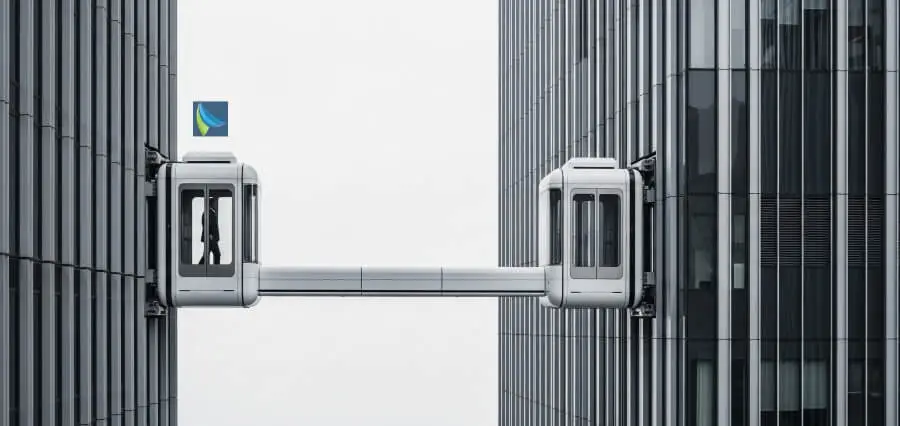
Elevators are one of the oldest inventions to affect the evolution of cities. It is impossible to imagine skyscrapers without elevators. However, now, when the elevator has been used for over a hundred years, this vital machine is experiencing its biggest revolution. With Advanced elevator technology, the future of vertical transport is getting smarter, faster, greener, and more flexible than ever before.
It can be proved by the statistics. The global elevator market, which was worth around USD 79.06 billion in 2024, is expected to expand at a compounded annual growth rate of 6.7% from 2023 to 2030. According to the UN, about 68% of the world’s total population will live in urban settlements by 2050. The construction of high-rises has never been in such a rapid development, and Advanced Elevator Technology is at the heart of it.
Intelligence Moves In
The biggest change that has occurred within the elevators of today is the advent of AI and the IoT. Smart elevators are now making use of technology and connectivity to analyze how people travel around the building. They make predictions about when there will be peaks and lows of activity and dispatch the cars accordingly in order to save energy and cut down on waiting time. This technology also allows for predictive maintenance, thereby saving a lot of downtime.
With touchless controls, biometrics and integrated building management, the experience of entering an elevator has undergone many changes. A person walking into an elevator in a modern high-rise doesn’t need to press a button since the system knows where they are going and guides them to the correct car even before they enter it. The advanced elevator technology has turned an inert piece of machinery into a living thing.
The Burj Khalifa Sets the Benchmark
No other example can better explain the importance of elevators modernization than the Burj Khalifa tower of Dubai. In March 2024, Emaar Properties appointed the Otis Worldwide Corporation to modernize 34 of the 57 elevators and all the eight escalators of the world’s highest skyscraper that reaches the height of 828 meters with over 160 floors where nearly 17 million people visit each year. The company, that has installed the elevators and escalators of this building in 2010, is going to modernize the Elevator Management System (EMS Panorama) to its advanced version which will provide the opportunity to operate the equipment remotely. The double-deck elevators work at the speed of 10 metres per second allowing travelers to reach the observation platform on the 124th and 125th floor in one minute from the ground floor. The modernization also includes the service contract for 10 years after it and will make the Burj Khalifa the ideal laboratory for advanced elevator technology.
Sustainability Takes the Lift
The elevator industry is also embracing energy in this endeavour. The modern elevators recapture the kinetic energy during their descent and channel it back to the building’s electrical grid. This process of regenerating the energy cuts down the carbon footprint of the skyscraper. The green buildings ratings now consider elevator efficiency in terms of energy usage, thus, making the developers opt for low energy consuming elevators during the planning phase. In 2025, TK Elevator established a USD 93 million research and development center in Esslingen, Germany to concentrate on their new generation of EOX elevators.
In May 2025, Hyundai Elevator and Samsung C&T signed a memorandum of understanding to develop modular elevators specially meant for skyscrapers up to 500 meters high. Over 70 percent of parts are prefabricated away from the construction site.
The Workforce and the Gap
Even with this progress, there remains one problem the industry cannot overcome through technology alone. There remains a shortfall of competent technicians which limits the potential of the industry in the installation, maintenance and updating of systems. This is reflected in the elevator modernization industry market size of USD 9.9 billion in 2025 which is projected to grow to USD 14.4 billion by 2034.
Rising Without Limits
“Advanced Elevator Technology” is not just an engineering dialogue anymore; it influences the way cities develop, buildings work, and millions of people conduct their daily lives. Whether we talk about AI-controlled dispatch systems in newly-built skyscrapers or renovation of famous historical sites which constitute the city skyline, elevators are becoming one of the most advanced systems in the architectural environment.